Brainchild Foundation is committed to advancing the treatment and prevention of paediatric cancers through funding and supporting pioneering, multidisciplinary research projects. Our dedication is evident in our backing of diverse initiatives that explore new treatment strategies, promote collaborative care models, and foster scientific innovation for better outcomes. Read more about the projects we have suported below.
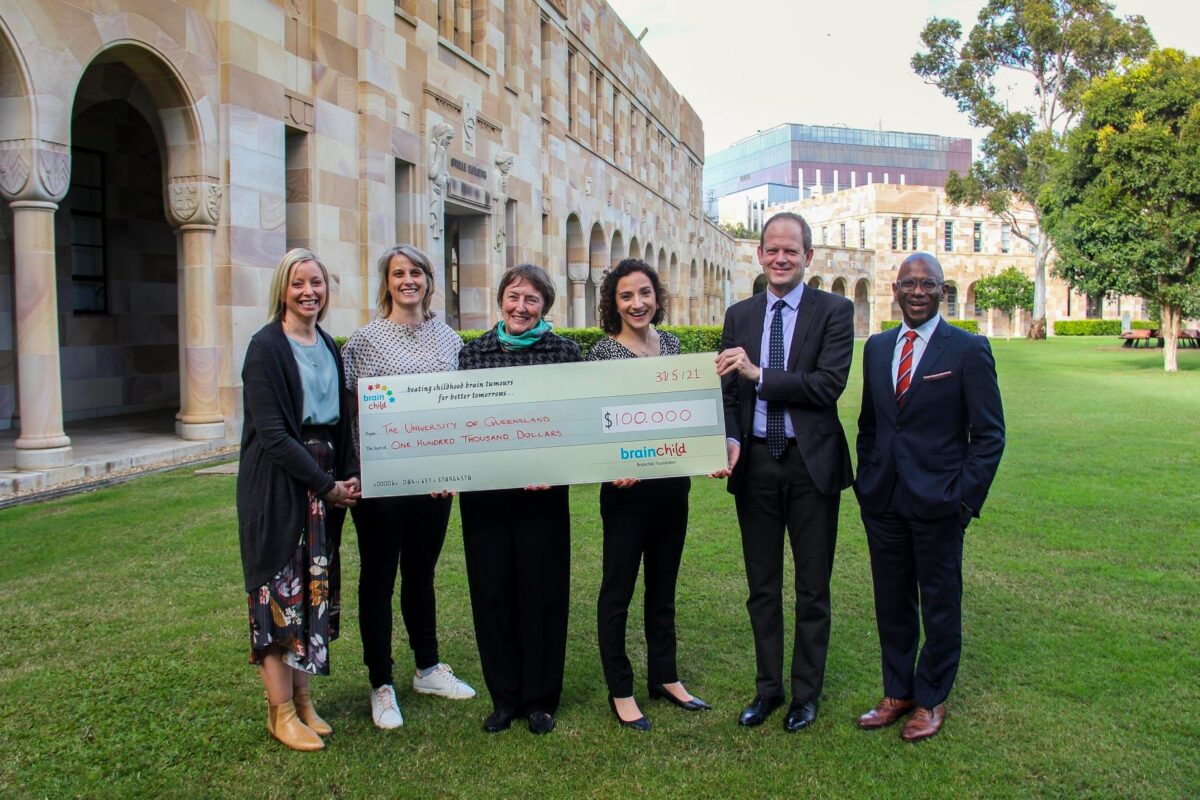
Integrating innovative models of the brain microenvironment to identify new treatment strategies for Medulloblastoma
Funding from Brainchild has facilitated the employment of Christine Cashion, a children’s cancer nurse with over 20 years of experience. Christine, together with the Oncology Service Group at Queensland Children’s Hospital and QUT Professor Natalie Bradford, has contributed to the development of the RECOVER model. With Brainchild’s continued support, the project will now be extended until June 2026.
At the end of June 2024, we transitioned from the RECOVER pilot study to phase 3, actively recruiting children diagnosed with brain tumours and their carers onto Phase 3 of the RECOVER model as they complete treatment or transition to surveillance.
The new Optimal Care Pathway is presented to families, and the RECOVER study requests feedback through surveys or interviews.
Innovative Models for Medulloblastoma Treatment: We supported research integrating advanced models of the brain microenvironment to uncover new approaches for treating medulloblastoma, a challenging paediatric brain tumour.
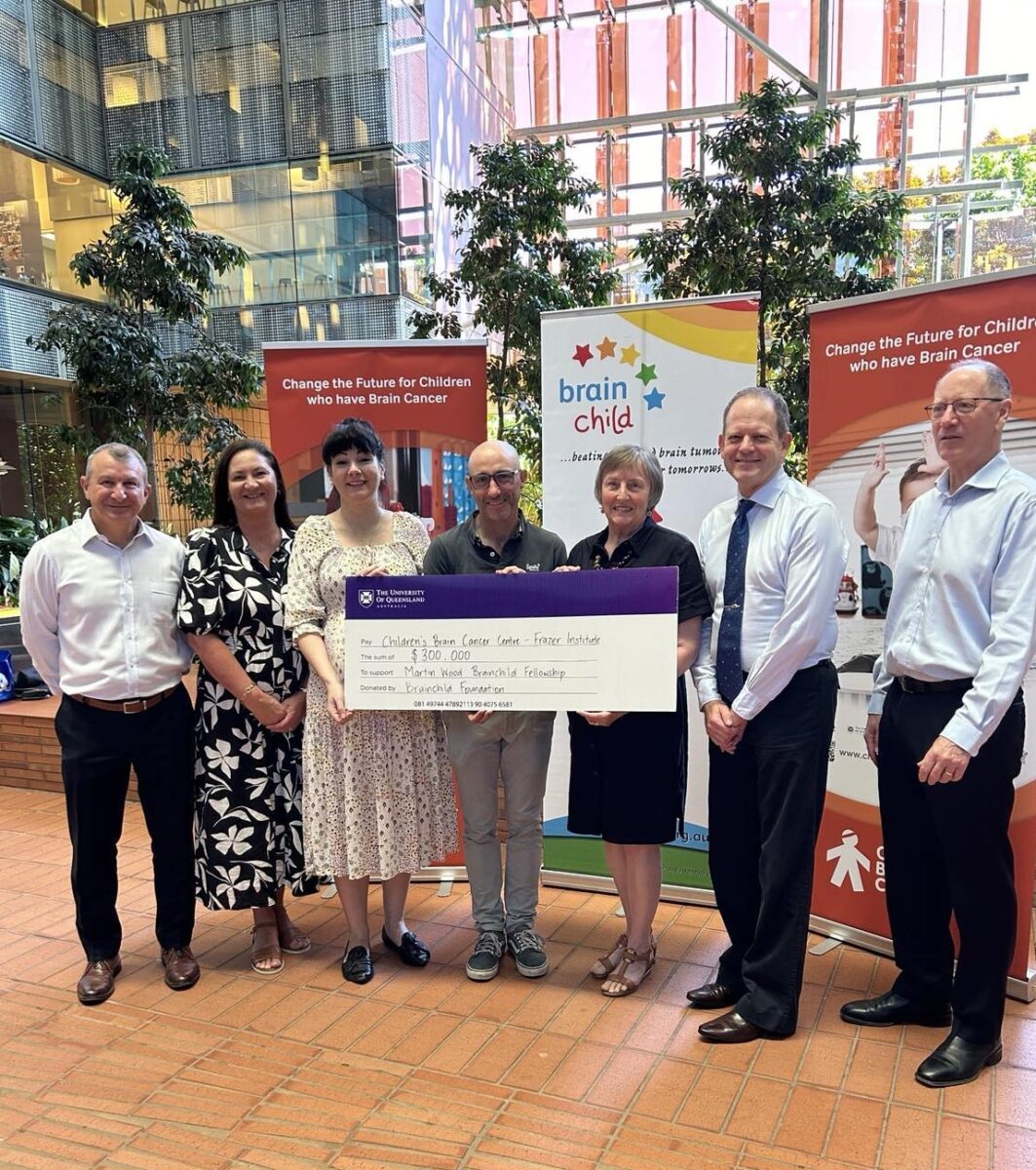
The support of the Martin Wood Brainchild Fellowship has enabled Dr Marija Kiska to advance two complementary areas of research aimed at improving outcomes for children with brain cancer.
Dr Kiska is leading the development of personalised immunotherapies, including therapeutic cancer vaccines, for paediatric brain tumours such asmedulloblastoma, ependymoma, and diffuse midline glioma (DMG). By identifying tumour-specific genetic alterations, her research aims to harness the patient’s own immune system to selectively recognise and destroy cancer cells. In parallel, she is developing innovative liquid biopsy approaches using tumour DNA from cerebrospinal fluid to monitor treatment response and detect relapse at the earliest possible stage.
Together, these translational research programs aim to deliver more precise, effective therapies and accelerate their translation into clinical trials, ultimately improvingoutcomes for children diagnosed with brain cancer.
Queensland Tumour Bank to maximise tissue donations and collaborating with national and global studies
2015
The Brainchild Foundation’s support has been instrumental in advancing QCTB’s brain tumour initiatives.
Established in 2008, the Queensland Children’s Tumour Bank (QCTB) stands as one of only three openly accessible paediatric tumour banks in Australia, serving as a key resource for child cancer research both nationally and internationally. QCTB has shared samples with over 30 research collaborators across Australia, the USA, Canada, the UK, and Germany, reflecting its commitment to supporting impactful scientific collaborations. Between July 2014 and June 2015, QCTB consented 102 new participants, collected 297 specimens, and distributed 189 samples for research, maximising the utility of each precious donation.
QCTB is a vital asset for LCCH oncologists, facilitating the participation of Queensland children in international clinical trials that require biological samples, including medulloblastoma studies. Nationally, QCTB is recognised through its involvement in collaborative networks such as the Australian and New Zealand Children’s Haematology Oncology Group and Brain Cancer Biobanking Australia (BCBA), which are focused on expanding biobanking and collaborative research efforts.
Relationship of hypoxia to stem like behaviour and treatment resistance in paediatric brain tumours
Identifying “druggable biomarkers” for personalised therapy in newly diagnosed and relapsed paediatric brain tumour patients. 2015-2016
Despite the overall success achieved in treating childhood cancers, brain and spinal tumours still represent a major challenge. A top priority in order to improve the survival rate of these aggressive pathologies is to find alternative treatment options for those children who are refractory to first line therapy or suffer relapse. This requires more detailed understanding of the molecular pathways responsible for promoting and maintaining an aggressive drug resistant phenotype, as well as the successful targeting of these pathways.
Modelling paediatric glioblastoma in mouse chimaeras. 2016
Scientists have discovered that a very small change in a protein called H3.3—a single building block (amino acid) swapping from lysine to methionine—plays a major role in causing aggressive brain tumours in children, known as paediatric high grade glioma.
This specific mutation (named H3.3 M27) is known to drive the development of these childhood brain tumours. However, we still do not fully understand how this change leads to cancer forming.
Our research aims to mimic this genetic change in mice. By doing this, we hope to better understand how the disease develops and to use these mice to test potential new treatments.
By the end of 2014, we had successfully created a genetically modified mouse that allows us to ‘switch on’ this specific mutation and study its effects.
This mouse model is a key tool for testing new treatment approaches and for learning more about how this mutation causes cancer.
In 2015, we focused on making sure the genetic change worked as planned, carefully checking our results so we can trust the findings from future studies.
Our work will help pave the way for better treatments for children affected by these devastating brain tumours.
Establishment of patient-derived xenografts from paediatric brain tumours to facilitate a personalised genomic approach to treatment. 2014
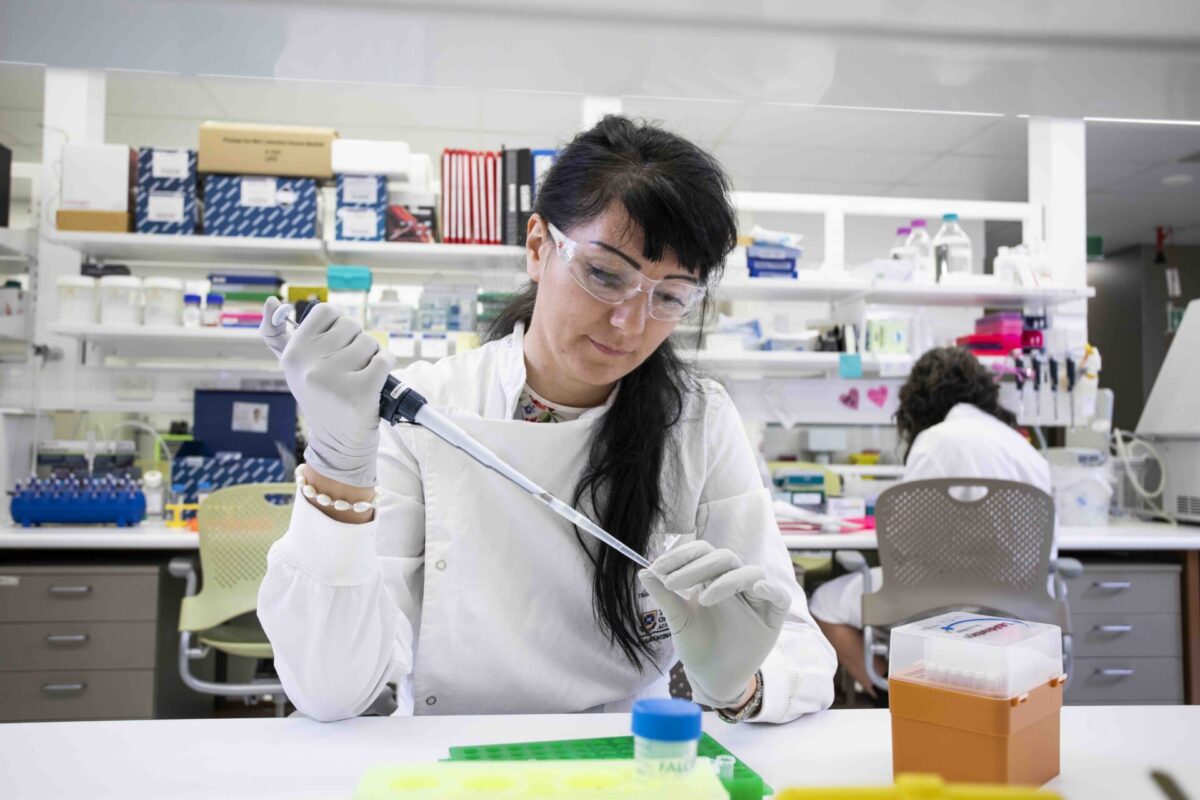
Brainchild Foundation provided funding for this project to establish patient derived xenografts (PDXs) from paediatric brain tumour patients and determine the genome sequence and gene expression profile of these PDXs to identify potential drug susceptibilities.
National Liquid Biopsy Study: isolating ctDNA from CSF can precede clinical evidence
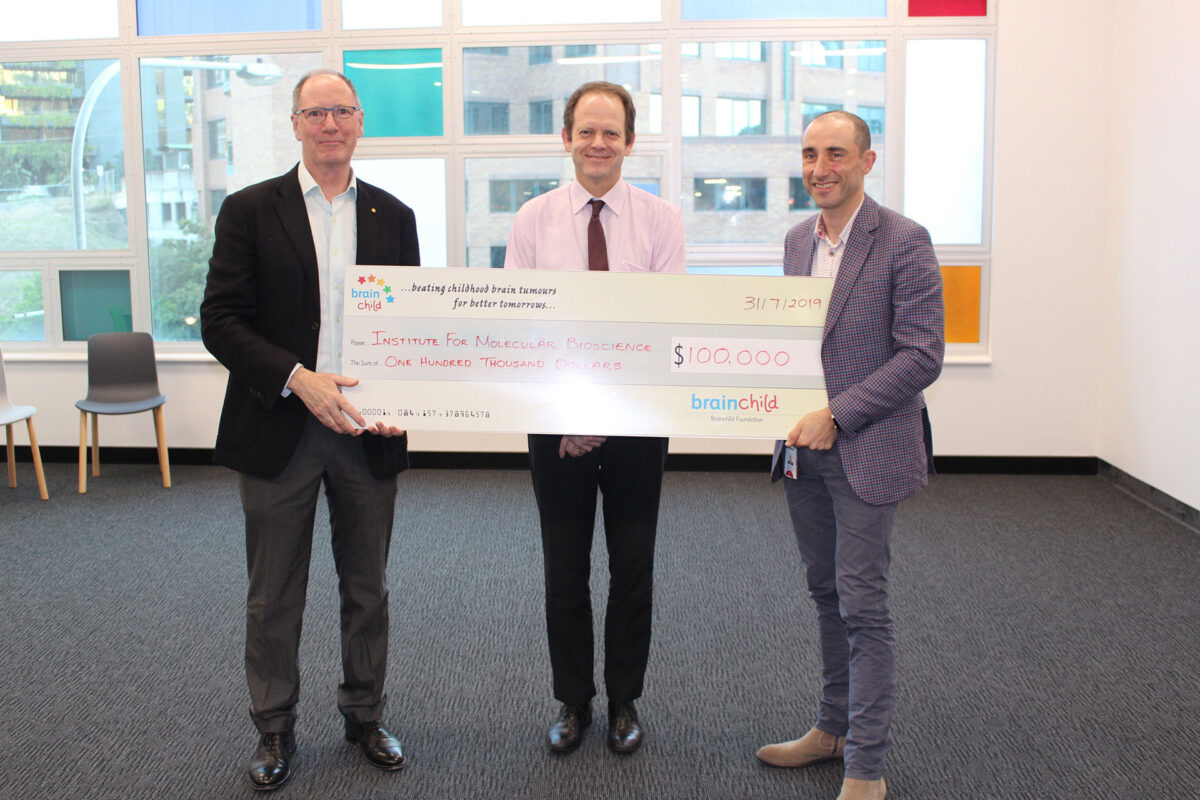
Liquid biopsy has become a key advancement in cancer diagnosis and management, leveraging tumour DNA (ctDNA) found in body fluids to monitor tumour genotype in real time. Supported by the Brainchild Foundation, we have shown that longitudinal liquid biopsy is technically feasible for medulloblastoma and ependymoma, integrating with standard clinical pathways involving regular lumbar punctures.
This pilot, conducted with partners in Queensland and now expanding to NSW, VIC, and WA, aims to make this approach routine for childhood brain tumours in the future. Recent studies show ctDNA detection can precede clinical relapse by up to six months. Our results indicate tumour DNA can be detected in CSF both before and after surgery, and ongoing research will allow us to track tumour response and recurrence earlier than imaging or cytology, paving the way for advanced diagnostics and new targeted treatments.
Targeting the microenvironment of paediatric brain tumours: a new frontier for therapy
An innovative interdisciplinary research project with at University of QLD to generate cost-efficient in vivo and ex vivo novel preclinical models to understand the underlying biological response of tumour cells and their microenvironment to novel therapeutics.
This project builds on research momentum and the expertise of a group of researchers who have complementary track records in cancer cell biology, mechanobiology, vascular biology and in vivo pre-clinical cancer models.
Further, it will define an unexplored aspect of brain cancer biology, allowing us to better understand the interplay between tumour cells and their microenvironments, plus the crucial role of mechanical force initiating chemical reactions.
Through the collaboration, two new models will be combined with an existing preclinical model to better understand how the tumour behaves with other cell types and their environment. The combination of these models will directly address aspects of paediatric brain tumour biology that cannot be studied in the present models and will advance understanding of how a tumour cell interacts with its surroundings to define the response to therapy.
Better modelling will ensure smarter and more effective clinical trials and significantly reduce the current reliance on toxic substances.